
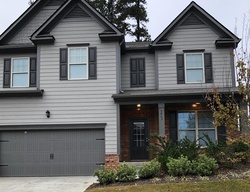
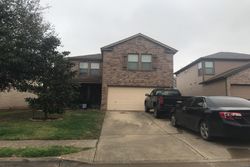
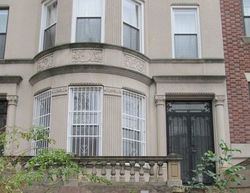
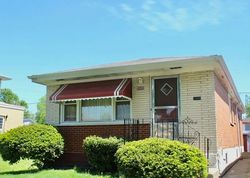
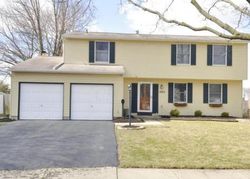
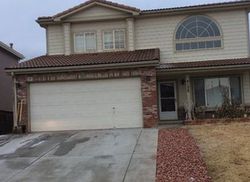
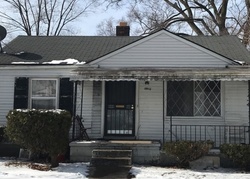
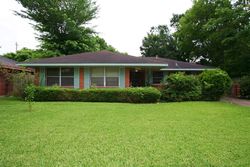
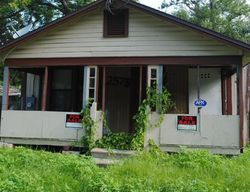
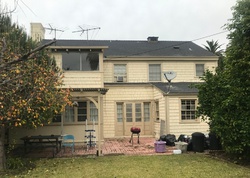
Click on the state you're interested in and start searching for home foreclosures!
Welcome to ForeclosureListings.com, in business since 1998 and one of the largest and freshest database of foreclosure listings direct from major banks, mortgage companies, HUD, Fannie Mae, Freddie Mac, Government agencies and more...
Our database contains over 2 million foreclosed homes, pre-foreclosure homes, foreclosure auctions and bank owned homes updated continuously throughout the day.
Foreclosurelistings.com is a valuable resource for potential buyers and investors of foreclosure properties. The web site lists bank owned homes and government foreclosures for sale at discount prices as well as distressed foreclosure properties, pre-foreclosure properties, REO foreclosures, and foreclosure auctions. Each home foreclosure is listed by state, county, and city, which simplifies the search for potential homebuyers and investors.
Each home foreclosure listing is accompanied by photos of the foreclosure property and a list of details about the property, including price and location. Real estate foreclosures on foreclosurelistings.com are updated regularly and are placed into one of the four main categories of our foreclosure listing service: Foreclosures, Pre-Foreclosures, Auctions, and Brokers Listings. They are placed in these categories for conveniance purposes. Top foreclosure rates are also listed by state and city. Foreclosurelistings.com is an easy to use site; with a simple click of the mouse you can find foreclosures under $10,000.
Foreclosurelistings.com provides a vast database of foreclosed homes located throughout the country. Much effort is put into researching a home before it is listed. The listings are easy to understand for those with little or no real estate experience to those with a plethora of knowledge in the real estate industry. The website also provides tips and valuable up-to-date information on buying foreclosed homes and the real estate industry in general. Potential buyers who become members of foreclosurelistings.com are eligible for several benefits, including a 24 hour customer service.
Overall Rating: .
I joined Foreclosurlistings.com a few years ago and, so far, I have been satisfied with the service the site has to offer. My husband and I were looking for an apartment to rent in a nearby city and we found a great condo in just a few months. The site is quite well organized overall but the Learning Center does need some work.
I became a member of this site after my house went into foreclosure in 2010. I went to site after site, trying to find the perfect foreclosure deal. Tired and feeling hopeless, I finally decided to join this site after it was recommended to me by a friend. I have not been disappointed and found a home for a great price in only one month!
Foreclosurelistings.com is not the best foreclosure listings site I've seen but it does have its strong points. The site makes it easy for anyone to find a home in their area with its maps of every state in the country. Full contact details are also usually included in each listing. The only problem I've had with Foreclosurelistings.com were its employees’ slow responses to some questions I emailed to the company.
A few months ago, I was having a hard time paying the monthly rent on an apartment I was living in after I had lost my job. Since I couldn't pay my rent, I was evicted by my landlord and had to find a new home. Foreclosures were one of the options I considered and I browsed several foreclosure listings websites before I decided to try this one. So far, Foreclosurelistings.com has not failed me! I have found several great deals since I joined this site!
A few years ago, I found a foreclosed home through Foreclosurelistings.com and now help friends to find new places to live through this site. This site is definitely one of the best foreclosure listings websites out there with its extensive database and reliable contact information. Although the monthly membership fee is a bit high, the price is worth it.
Foreclosure homes are the result of a homeowner who is unable to make their mortgage payments over a length of time. Eventually, the homeowner falls behind in payments and their mortgage goes into default. The lender, who provided the mortgage to the homeowner, typically chooses to foreclose the home to pay off the debt incurred by the homeowner. Proper paperwork is filed and complaints are made. Often times the lender chooses to auction off the home. The foreclosure home is sold to the highest bidder giving the lender an opportunity to make back as much money as possible on the foreclosed property.
REO foreclosures are real estate owned properties that have been sent to foreclosure. When a property is listed as an REO foreclosure, the homeowner has defaulted on their mortgage. In this particular case, the property is taken back by the mortgage lender, usually a bank. Properties typically go into REO foreclosure when a buyer for the foreclosed home can not be found during a foreclosure sale. In this instance, the mortgager repossesses the property and turns around and sells it on its own. To put it simply, an REO property is for sale by the lender, not the homeowner.
Bank foreclosures are the result of a homeowner defaulting on a loan or mortgage they have received through a bank. When the homeowner can no longer make payments on their mortgage or follow the terms specified in the mortgage, the bank takes possession of the property, witch become a bank owned property. Once the bank owns the property they send it into foreclosure as a means to make back some or all of the money lent to the homeowner. Bank foreclosures, or bank owned homes, are sold at better rates then non foreclosed homes. The bank uses the proceeds to pay off the mortgage and any legal fees.
Repo homes are sometimes referred to as REO foreclosures. When a homeowner defaults on their mortgage, the lender has the option to take the property into repossession. Most repo homes are sold at auction at cheaper rates then other homes. The repo home is sold to the person who has placed the highest bid. Repo homes are typically sold for less to allow the lender to make back as much money as they possibly can in a short amount of time. It is recommended that all potential buyers of repo homes have the property thoroughly inspected before purchasing the home.
Home foreclosure listings are an easy way for potential buyers and investors to find available foreclosed homes for sale. Foreclosure listings include homes in pre-foreclosure, REO foreclosures, bank and government foreclosures, and repo foreclosures. Foreclosure listings typically list the properties asking price, location including city, county, and state, and are usually accompanied by a photograph. Home foreclosure listings are a convenient way for lenders to advertise the sale of a foreclosed property and speed up the time it takes for them to make back what is owed on the mortgage and to cover any legal fees acquired during the foreclosure process.
Foreclosure homes for sale are the result of a homeowner defaulting on their property. To go into default means the borrower failed to meet their financial obligation to the lender and failed to meet the terms of their mortgage agreement. The lender then takes back the property, sometimes through repossession and auctions or sells the property at a discounted price. Homes in foreclosure have been taken back by a lender, mortgager, or lien holder. The money from the sale of the foreclosure home is used to pay off the defaulted amount of the mortgage and any accrued legal fees.
There is a period of time between when the mortgager goes into default and when the home is in foreclosure. This period of time is referred to as the pre-foreclosure period. During this period the homeowner can pay off the amount their mortgage is in default for during what is known as a grace period or they can sell the property in question to a third party and pay off the amount in default. Defaulted mortgages that are not paid off during the pre-foreclosure period are either sold at auction or taken into possession by the lender or lien holder.
Foreclosure home auctions occur when the homeowner is in default and is unable to pay the amount in default by the end of the pre-foreclosure period. Once the home is no longer in possession by the owner the home is listed and sold at auction. The potential buyer who places the highest bid on the foreclosed home wins the auction. Foreclosure home auctions usually sell at cheaper rates then other foreclosed properties. Buyers are usually required to pay the winning bid in cash. Auctions eliminate dealings between the homeowner in default and any potential buyers.
Site Listings
Total: 2,094,819
Robert Nagle discusses how his client is being bullied from his home, and the need for tenants to understand their rights when the home they live in goes into foreclosure.

The States with the Highest Amount of Foreclosures are Holding out on the Mortgage Settlement - Feb 10, 2012

Legislature in Oregon Focuses on Foreclosures and Mulling Over New Rules for Lenders - Feb 10, 2012

Republicans Avoiding Offering any Plausible Solution to the Foreclosure Crisis in Nevada - Feb 09, 2012

Infographic: Housing Market Trends for 2011 - Feb 08, 2012

Interview: Matthew Martinez From Beacon Hill Property Group - Feb 06, 2012

Infographic: Property Auction - Feb 06, 2012

Foreclosures and Unemployment Given Top Priority in Florida - Feb 06, 2012
» See all recent news