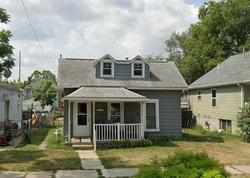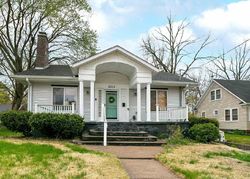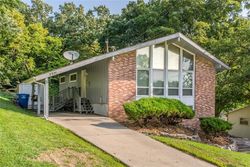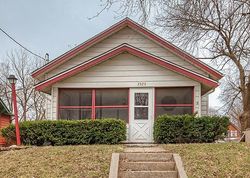
Our Iowa foreclosure listings are currently available and feature the latest Iowa home foreclosures for sale.

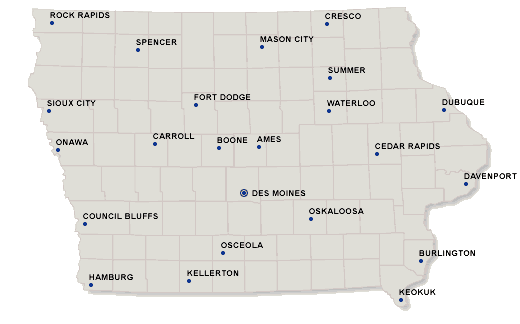
Search through the best listings of foreclosures in Iowa. We provide foreclosed homes and auctions in the major Iowa cities. Choose a city and fing an excellent deal for you!

The States with the Highest Amount of Foreclosures are Holding out on the Mortgage Settlement - Feb 10, 2012

Foreclosures Abound and Attorneys General want to Save Homeowners - Oct 17, 2011

Attorney General of Massachusetts has “Lost Confidence” in the Banks - Oct 10, 2011

Investigations Probing Alleged Foreclosure Abuses of Banks - Aug 30, 2011

Attorneys General of Nevada, Massachusetts, Delaware and New York are Resisting Steps to Release Banks - Aug 23, 2011
» See all recent news
Iowa is located in the upper region of North America, situated between Nebraska, Minnesota, Illinois and Wisconsin. The state's climate contributes greatly to its highly successful agricultural industry. With wet seasons occurring in the spring along with hot summers, this state provides the perfect conditions for the production of corn during peak seasons. Iowa is regarded as America's biggest contributor to the supply and demand of corn. Iowa also dabbles in maintaining livestock (hogs and cattle), soybeans and dairy as well as exporting chicken, eggs and milk. Subsequently, Iowa’s manufacturing sector is involved mainly in food processing, including the preparation of long-life products such as canned meat (spam, ham etc), glucose, corn oil and corn sugar. Areas such as the mining industry and service industry are also essential to the state's economic growth, along with local insurance firms, local businesses and other minor wholesale companies that are spread throughout Iowa.
Iowa’s major cities include: Waterloo (part of Black Hawk County), Davenport (part of Scott County), Ames, Cedar Rapids (part of Linn County) and Des Moines (part of Polk County), which is the state’s capital and most populated area. Des Moines is often the center of large political events, with annual gatherings being held for several decades now, such as the Iowa caucuses. The city's vast, connecting neighborhoods feature friendly, vibrant communities along with lush parks and hotspots for recreation. Notable areas of interest include Gray's Lake Park, East Village, Iowa State Capitol and the Simon Estes Riverfront Amphitheater. Providing a diverse and exciting environment, Des Moines is one of many appealing metropolitan areas featured in our Iowa home foreclosures range.
Current housing market trends across several cities indicate promising statistics. The median sale price of households in Davenport sit at over $114,000, while in Des Moines, the average sales prices are standing at just over $99,000. The rate of Iowa foreclosures being sold in Des Moines also accommodates for just over a quarter of total household sales; this trend, however, will cause this number to rise in the future. The city of Waterloo is also experiencing a drop in the average sale price, with estimates of $80,000 and below. This result coincides appropriately with current market trends that are being experienced throughout other neighboring cities in Iowa.
Most foreclosures in Iowa are handled by the court system; these types of foreclosures are called judicial foreclosures. Non-judicial foreclosures in Iowa are rather unique in that they are allowed only if the homeowner consents to their use.
The standard foreclosure begins when a lender issues a notice of default with the county recorder concerning a borrower's (homeowner's) delinquent mortgage payment status. The homeowner usually then has 30 days to decide whether or not to deal with the foreclosure suit in court, or to waive this right and proceed with a voluntary non-judicial foreclosure. If the homeowner opts for a non-judicial foreclosure, then the lender and the homeowner must file the appropriate documents with the county register. After the appropriate documents are filed with the county recorder, it is up to the lender to pursue the foreclosure. In agreeing to this, the lender gains immediate control of the property and the homeowner waives all rights to redemption. Conversely, by agreeing to a non-judicial foreclosure, the lender waives all rights to collect any debt from the homeowner not satisfied by the foreclosure sale of the property.
If the path of judicial foreclosure is taken, the court grants the homeowner a certain amount of time in which to pay the amount in default and retain possession of their property. If the homeowner cannot provide payment, the court can rule that the homeowner has defaulted on their mortgage payments and schedule a date for the property to be sold. Depending on the type of foreclosure sought by the lender, the sale date can be anywhere from two to twelve months after the court ruling. If the lender is granted a "foreclosure without redemption rights", the homeowner can appeal to the court to have the sale delayed for up to a year in order to give him or her a chance to pay off the debt owed and maintain ownership. If the lender is granted a "foreclosure with redemption rights", the sale usually takes place within two months, although the homeowner is allowed the chance of redemption for some time after that.
However, in both types of foreclosure, the homeowner retains the right to halt the foreclosure process by paying off the amount in default (in addition to any additional costs) at any point up until the date of the foreclosure sale.
Generally, the county sheriff handles how the notice of sale is distributed and published. The notice must be posted in at least three public places, including the courthouse. In addition, it also has to be published twice in a weekly newspaper, the first occurring four weeks before the foreclosure sale, and the second at a date much closer to the sale. If the property is still occupied by the homeowner, they must receive notice of the sale at least 20 days prior to it occurring.
Usually, the sheriff is responsible for conducting the foreclosure sale, which is run in the style of a silent auction. Anyone who wishes to bid must write the amount of their bid on paper and place it in a sealed envelope along with a required down payment. At the auction, the sheriff opens each bid and announces it. The property is always awarded to the highest bidder.
If the foreclosure is allowed to proceed without the chance of redemption, the ownership of the property is immediately awarded to the winning bidder and that person must provide payment within a specific amount of time. If a right to redemption was granted, then the original homeowner may have anywhere from 30 days to one full year in which to provide payment of the winning bid, as well as any additional fees accrued.
To add this chart to your web page just copy the HTML and put it in your web page: