Search Hawaii Foreclosures

Our Hawaii foreclosure listings feature a wide array of available repo homes and bargain foreclosure homes, with frequent updates on all our Hawaii home foreclosures for sale.

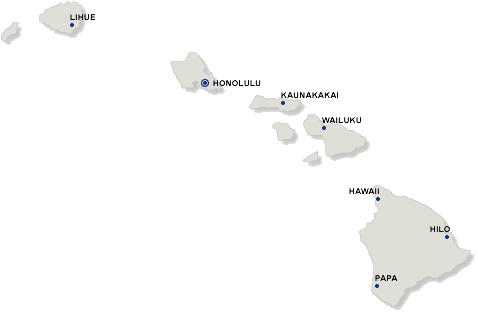
Click on a Hawaii county below to begin your search:

Latest Foreclosures in Hawaii

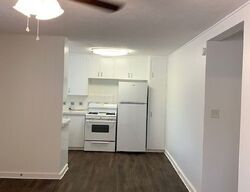
HAUOLI ST APT 410, Wailuku, HI
HI 96793
2BD/2.00BH
$209,900
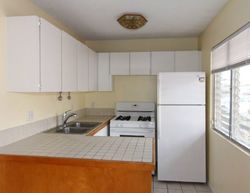
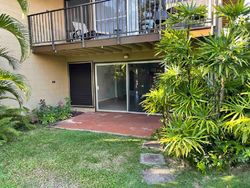
UWAPO RD APT 14-201, Kihei, HI
HI 96753
2BD/1BH
$126,000
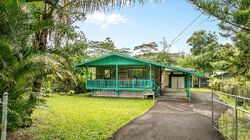
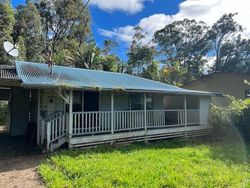
ALIALI RD, Kapaa, HI
HI 96746
3BD/1.50BH
$185,000
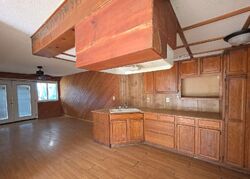
S KIHEI RD APT A208, Kihei, HI
HI 96753
2BD/2BH
$183,750
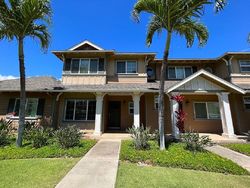
KIKAHA ST APT 55, Kapolei, HI
HI 96707
3BD/2BH
$294,900
HOOMANA ST, Hilo, HI
HI 96720
3BD/3BH
$227,850
MAUNA LOA ST, Hilo, HI
HI 96720
6BD/2BH
$256,000
PIIKOI ST APT 202, Honolulu, HI
HI 96814
2BD/1BH
$269,900

Search on Hawaii Top Locations

Search through the best listings of foreclosures in Hawaii. We provide foreclosed homes and auctions in the major Hawaii cities. Choose a city and fing an excellent deal for you!
Hawaii Top Counties

Change location

Foreclosure Rates

Join our Affiliate Program

Hawaii Latest Resources

Honolulu Resources

Honolulu Resources

The population of the city of Honolulu averages around 900,000, making it the 57th largest city in the USA. The ...

Hawaii Foreclosures for Sale

Hawaii foreclosuresSituated in the island groups of the Polynesian region, Hawaii is the only US state that consists entirely of islands. With a collective chain of 132 islands spread over 6,459 square miles, Hawaii has one of the longest coastlines in America. Its borders are surrounded by the Pacific Ocean, with about 36 square miles of the state being covered in water. The state's climate varies considerably depending on the altitude, and with different levels of elevation scattered around the islands, a mixture of temperatures and conditions can be experienced. The sea level range is the most humid and tropical, while the mid-range altitude provides the warmest climate, with heights of 10,000 feet and above being the chilliest. Seasons throughout the year are simply categorized by summer (May to September) and winter (October to April), although the average temperature established with both seasons only differs by about 10-15 F degrees F between them. And even with winter being the state's wet season, days of clear sunshine remain consistent enough all year round.

Despite the region's densely populated number of islands, only eight of the 132 islands are deemed livable; these include Hawaii, Maui, Oahu, Niihau, Kauai, Molokai, Lanai and Kahoolawe. Hawaii is the largest of the eight islands and the most populated one. Its capital city is Honolulu, with a population of approximately 375,571. Tourism and the service sector is a major focus on its economical growth, ranking in huge revenue that accounts for nearly 90 percent of the island's overall economy. Its agriculture industry production specializes in greenhouse plants, sugar cane, nuts, coffee and pineapples. Livestock includes beef, dairy and eggs, while flowers are also exported in large quantities internationally.

Honolulu's demographics indicate a majority of married couples currently living in households, as opposed to their single counterparts, with the average household income at roughly $45,112 annually. The common level of education among residents is a high school education with many also being college graduates who earn wages in mind-range managerial positions.

The current housing market in Honolulu proves appealing for the purchase of Hawaii foreclosures, with the median sale price of homes standing at $422,500, while the general value of homes sits at $510,400. Recent trends indicate an increase in the rate of Hawaii home foreclosures being sold, with a percentile rate of 2.6 overall.

Hawaii Foreclosure Laws

In the state of Hawaii, both judicial and non-judicial foreclosures are common.

A non-judicial foreclosure usually occurs when a mortgage or Deed of Trust contains a "Power of Sale" clause. This clause provides that once the lender has notified the borrower (homeowner) that they are in default on a loan payment, the lender may schedule a foreclosure sale of the property without the blessing of a court.

A judicial foreclosure occurs when a mortgage does not include a Power of Sale clause, and begins when a lender files a complaint (known in this case as a Lis Pendens) against a defaulted homeowner. If the homeowner does not respond to the Lis Pendens within 20 days, the court can find the homeowner in default and schedule a foreclosure sale of their property.

Under Hawaii foreclosure law, the homeowner has the right to file a notice of appeal, as long as it is filed within thirty days of the court's ruling. The homeowner may also halt the foreclosure proceedings entirely by paying the default amount owed and any additional costs accrued anywhere up until three days before the foreclosure sale is scheduled to take place.

In the case of either a judicial or non-judicial foreclosure, a Notice of Sale listing the date, location and terms of the foreclosure auction must be both mailed to the homeowner and posted on the property in question. The Notice must also be published in a local newspaper, and scheduled to run weekly for three weeks before the sale is to occur.

On the day of the foreclosure auction, anyone may bid on the property, including the lender. After a winning bidder has been determined, that person is usually required to pay a ten percent deposit on their bid, which can be in the form of either cash or a cashier's check. Once the full amount has been paid, ownership of the property is transferred to the winning bidder.

If the foreclosure sale was court-ordered, then the court must first hold a hearing to confirm the sale before transferring ownership. At the hearing, the court compares the sale price with the property's actual market value. If the property is found to have been undersold, the court may order another sale in order to insure the sale price is high enough for the lender to regain their original loan investment. If the sale price is satisfactory, the court confirms the sale and the winning bidder receives full ownership of the property.

Hawaii foreclosure law provides the original homeowner with no right to redemption once a foreclosure sale is confirmed. While a judicial foreclosure can take up 11 months to be completed, a non-judicial foreclosure is generally settled in a period of about six months.

Hawaii Foreclosure Process Flow Chart

Foreclosure Process in Hawaii

To add this chart to your web page just copy the HTML and put it in your web page: