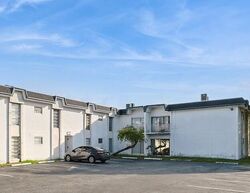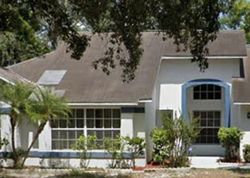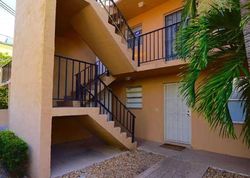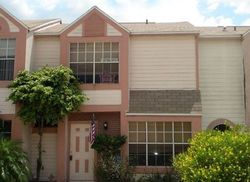
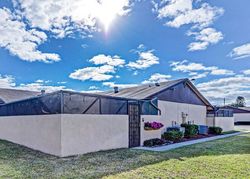
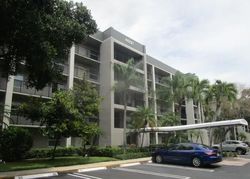
Want to buy cheap homes in Florida? There are a lot of cheap homes and foreclosures available in the state of Florida, which is very famous for its sunny beaches and vibrant communities. The state offers excellent educational opportunities through highly-rated schools and diverse neighborhoods that make it a perfect place for both families and investors.
ForeclosureListings.com is the best website for finding inexpensive foreclosure listings. Make sure you do not overlook beautiful coastal areas while navigating through Florida towns; places like Frenchy's Rockaway Grill located at Clearwater Beach. The wonderful diversity of Florida's culture and its recognition as a welcoming place will help you find your next home.
You should not ignore cheap homes in Florida. With so many options, there might be an ideal place that would match your wallet. Start searching today to see why this is called the Sunshine State!
Hollywood is the twelfth largest city of Florida. The city was founded in 1925 but saw a rapid growth in ...
Jacksonville, located in Florida, is the largest city in the state, and is informally known as the River City due ...
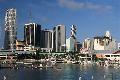
If you want a diverse, international culture experience, visit Miami, Florida. Native Americans once inhabited this area until the ...
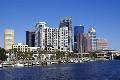
Located on the west coast of the United States, Tampa is a beautiful city thriving with opportunity and has been ...
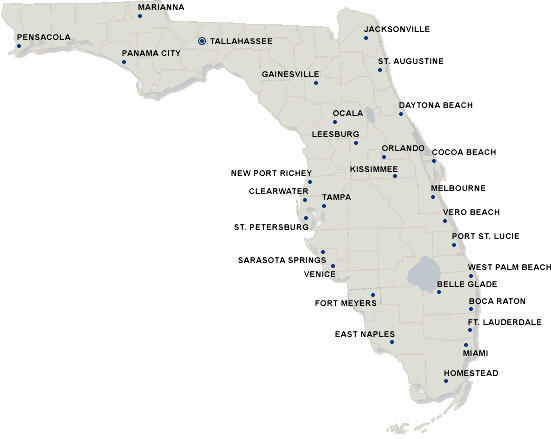
Search through the best listings of foreclosures in Florida. We provide foreclosed homes and auctions in the major Florida counties. Choose a county and find an excellent deal for you!
The influence of foreclosures on house prices in Florida is significant. Here are some key points:
Foreclosure Rates: Florida led the ranking of foreclosures in February, with more than 19,000 homes entering foreclosure processes. This places Florida in the uncomfortable position of having the highest number of delinquent homeowners, with 15% of all foreclosure processes in the country.
Impact on Brazilian Families: Hundreds of Brazilian families are facing foreclosure processes, part of over 5,000 such cases.
Impact on Prices: The high rate of foreclosures can lead to a surplus of homes on the market, which can potentially lower house prices. However, current trends indicate that despite this, house prices in Florida are expected to continue growing. For example, in the Orlando metropolitan area, a 5.2% increase in house prices is expected by May 2024, driven by demographic growth and continuous demand for housing.
Market Dynamics: The foreclosure market in Florida is dynamic and evolving. The state's legal process for foreclosures is relatively quick, with a legal period of 120 days, which can lead to a faster turnover of properties and potentially stabilize the market.
Investment Opportunities: The high number of foreclosures can create opportunities for investors. Properties in foreclosure can be purchased at lower prices, making them attractive for those looking to invest in real estate.
Overall, while foreclosures can influence house prices, the current market trends in Florida suggest that prices are expected to continue growing despite the high foreclosure rates.
The regions in Florida most impacted by foreclosures include:
Miami Metropolitan Area: This area, which includes Broward and Palm Beach counties, had approximately 95,000 properties in some stage of foreclosure in the first half of 2010. This represents about 4% of the homes in the area, placing it in the 10th position nationally in terms of foreclosure rates.
Orlando: Orlando is also significantly affected, ranking 8th in the list of metropolitan areas with the highest foreclosure rates. The high level of unemployment is a major factor contributing to the difficulty in recovering the real estate market, which in turn is expected to further lower property prices.