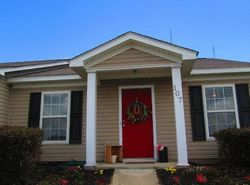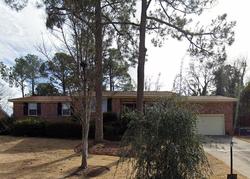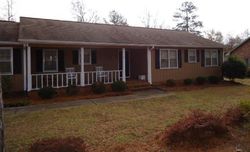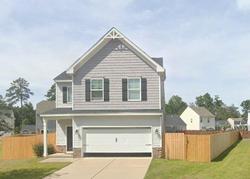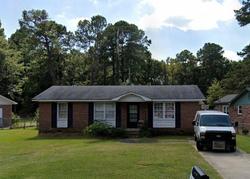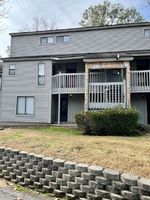
The range of South Carolina home foreclosures for sale feature a variety of housing options suitable for any prospective homeowner. South Carolina foreclosure listings are regularly updated, containing the latest properties available.

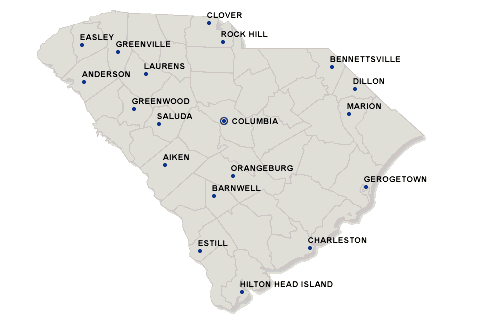
Search through the best listings of foreclosures in South Carolina. We provide foreclosed homes and auctions in the major South Carolina cities. Choose a city and fing an excellent deal for you!

Looking to Get that First Home? South Carolina Foreclosures are Available Around the State - Aug 03, 2011

South Carolina Foreclosures Offer Potential Homeownership to Many Families - May 30, 2011

Foreclosures and Flipping Go Hand in Hand Once Again - Apr 25, 2011

Foreclosures in the State of South Carolina - Jan 25, 2011

Search and Invest in Cheap Foreclosures for Sale - Mar 03, 2010
» See all recent news
South Carolina is situated in the southeastern region of North America, with a population of over 4.6 million people. The state's major cities include Columbia, which is its state capital and the largest city, along with Florence, Charleston, Greenville, Rock Hill and Spartanburg. Major counties spread across the state consist of Anderson County, Spartanburg County, York County, Lexington County, Greenville County and Charleston County. The state has a landmass of approximately 32,000 square miles, with surrounding states including North Carolina and Georgia.
The land has a wide variation of terrain types and contrasting regions. The largest area that totalizes the majority of the state is the Atlantic Coastal Plain; its outer part features a mass of flatlands and many rivers, while the central region contains a large portion of forested areas known as the Pine Barrens. Other notable parts of the state include the Piedmont, which is characterized by rising elevations and hilltops; while the Blue Ridge in the northwest region consists of more forestation.
The state's economy features a thriving agriculture sector, with the production of livestock attributing towards over half of the industry's revenue. Along with its livestock maintenance, hogs, chicken eggs and turkey also greatly contribute to the economy. The most common crops grown in South Carolina include greenhouse plants, vegetables such as sweet potatoes, cucumbers and watermelon and other produce including cotton, hay, peanuts and soybeans. Local businesses situated across the states major cities and towns contribute to the state as well, including wholesale and retail chains, along with hotels, law firms and insurance companies. The production of chemicals is an important part of the manufacturing industry, such as pharmaceutical products and dyes, while a number of textile products are also manufactured in South Carolina.
South Carolina's current housing market indicates positive figures for the year, providing ample opportunity for potential buyers looking for South Carolina home foreclosures. In Columbia, the average listing price for homes currently sits at $149,900, with South Carolina foreclosures accounting for over 16 percent of the city's sales. In Florence, house prices have dropped by nearly 3 percent over the past year, with average prices sitting at $164,900, along with foreclosure sales accounting for 1.4 percent of the overall household sales.
In South Carolina, all foreclosures are handled judicially. In order to begin the process, a lender files a suit (known as a Lis Pendens) in the county court. Within 20 days, the lender must issue a Notice of Default and personally deliver it to the defaulted borrower (homeowner). The homeowner then has 30 days in which to contest or settle the debt with the lender. If neither of these things happen, or the court finds sufficient evidence of a default in payment, then a foreclosure sale of the homeowner's property will be scheduled.
A Notice of Sale must be published weekly in a local newspaper for a period of three weeks before the sale takes place. Copies of the Notice must also be posted on the courthouse door and three other public places in the county.
The foreclosure sale is conducted as an auction over which a court officer presides. Generally, the auction begins at 11 a.m. and ends at 5 p.m. After the sale, the winning bidder must provide a ten percent deposit, and is then given 30 days in which to settle the balance. The auction, however, is still considered open for these 30 days. During this time, if anyone wishes to place a bid higher than that of the winning bid, they may do so and be entitled to ownership if the winning bidder does not respond in kind. This scenario is known as "upset bidding". Anyone who makes a bid during this time and is later outbid is entitled to a full refund of any deposit.
If no objection to the sale price has been recorded within three months after the original auction date, the sale will be confirmed and ownership transferred to the highest bidder. Although the lender may seek a deficiency judgment against the original homeowner, the homeowner is not entitled to rights of redemption once the auction (including the upset bidding portion) is closed.
To add this chart to your web page just copy the HTML and put it in your web page: