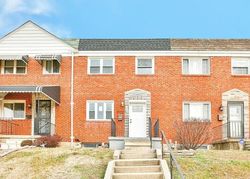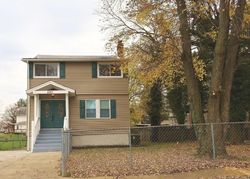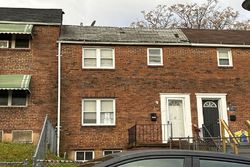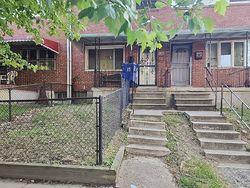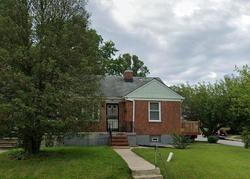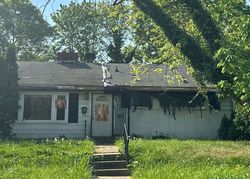
Our Maryland foreclosure listings present the potential homeowner with an array of options! Since Maryland home foreclosures for sale are so varied, they can fit anyone’s budget! Current housing trends across the state have indicated a decrease in listing prices over the past year.

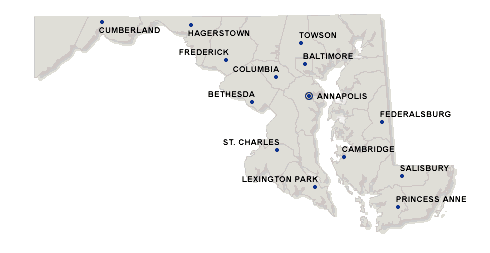
Search through the best listings of foreclosures in Maryland. We provide foreclosed homes and auctions in the major Maryland cities. Choose a city and fing an excellent deal for you!

Legislator Disagrees About Expediting Foreclosures - Nov 30, 2011

Foreclosure Law Firm in New York Closing Down - Nov 28, 2011

The Blacks have Been the Worst Affected by the Foreclosure and Unemployment Crisis - Oct 18, 2011

Maryland Foreclosures are Available for First Time Home Buyers - Jun 23, 2011

Why Maryland Foreclosures are an Ideal Investment - Apr 27, 2011
» See all recent newsBaltimore, referred to as the Charm City, is United States’ largest independent city, and the largest cultural center in Maryland. ...

The state of Maryland allows both judicial and non-judicial foreclosures against defaulted homeowners. A non-judicial foreclosure can be used if the mortgage agreement between lender and borrower (homeowner) contains a Power of Sale clause. This gives the lender the power to pursue foreclosure without the supervision of the court. The lender must still obtain a court order for a foreclosure sale, but this can be done without scheduling a hearing.
To begin the process of judicial foreclosure, a lender must file a court complaint against a homeowner found to be in default. The court will then set a date for a hearing. If the complaint goes uncontested by the homeowner or sufficient evidence is presented to show that the homeowner is in fact in default on a loan, then the court can rule against the homeowner. Once this occurs, the court will issue a payment order stating the total amount owed to the lender (including additional costs and interest) as well as a sensible span of time for the homeowner to settle the debt in and halt the foreclosure. If the homeowner is unable to provide payment within the time allowed, the property then must be sold in order to satisfy the debt. The lender is not required under Maryland foreclosure law to alert the homeowner of any foreclosure proceedings being carried out against them.
A notice of sale must also be published in a local weekly newspaper for a period of three weeks before the sale is scheduled to take place. The homeowner and any Junior Lien holders (other lenders from whom the homeowner might have received mortgage loans) are entitled to receive a notice of sale at least ten days before the date that the sale takes place. Ordinarily, the foreclosure sale takes place outside of the county courthouse, and is conducted by a licensed auctioneer.
Once a winning bidder has been established, another notice is published in a local newspaper informing the public of the outcome of the sale. If no objections to the sale are filed, the court confirms the sale and full ownership of the property is transferred to the winning bidder.
While there is no established redemption period set for the original homeowner, the court can set a redemption period on a case-by-case basis.
The state of Maryland allows both judicial and non-judicial foreclosures against defaulted homeowners. A non-judicial foreclosure can be used if the mortgage agreement between lender and borrower (homeowner) contains a Power of Sale clause. This gives the lender the power to pursue foreclosure without the supervision of the court. The lender must still obtain a court order for a foreclosure sale, but this can be done without scheduling a hearing.
To begin the process of judicial foreclosure, a lender must file a court complaint against a homeowner found to be in default. The court will then set a date for a hearing. If the complaint goes uncontested by the homeowner or sufficient evidence is presented to show that the homeowner is in fact in default on a loan, then the court can rule against the homeowner. Once this occurs, the court will issue a payment order stating the total amount owed to the lender (including additional costs and interest) as well as a sensible span of time for the homeowner to settle the debt and halt the foreclosure. If the homeowner is unable to provide payment within the time allowed, the property may be sold in order to satisfy the debt. The lender is not required under Maryland foreclosure law to alert the homeowner of foreclosure proceedings being carried out against them.
A Notice of Sale must be published in a local weekly newspaper for a period of three weeks before the sale is scheduled to take place. The homeowner and any Junior Lien holders (other lenders from whom the homeowner might have received mortgage loans) are entitled to receive a Notice of Sale at least ten days before the sale date. Ordinarily, the foreclosure sale takes place outside of the county courthouse, and is conducted by a licensed auctioneer.
Once a winning bidder has been established, another notice is published in a local newspaper informing the public of the outcome of the sale. If no objections to the sale are filed, the court confirms the sale and full ownership of the property is transferred to the winning bidder.
While there is no established redemption period set for the original homeowner, the court can set a redemption period on a case-by-case basis.
To add this chart to your web page just copy the HTML and put it in your web page: