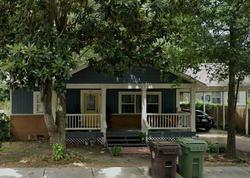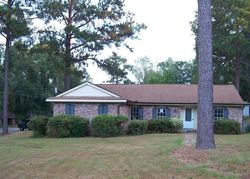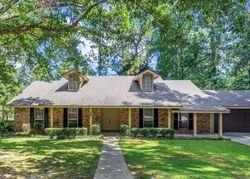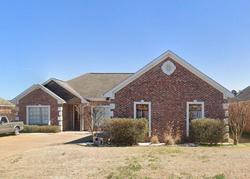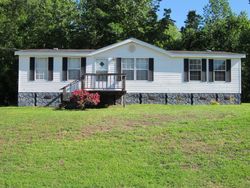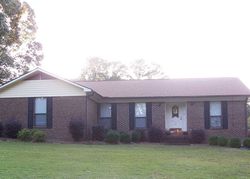
Our broad range of Mississippi home foreclosures for sale offer an array of bargains for any homeowner or investor interested in purchasing a new home. Foreclosurelistings.com provides daily updates for the Mississippi foreclosure listings section of our database.

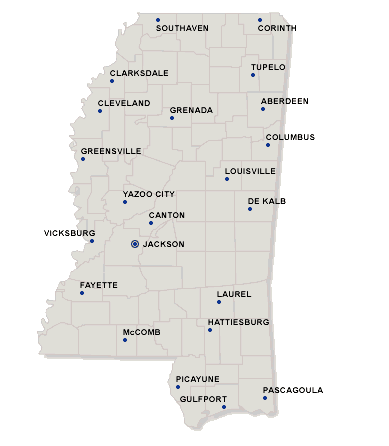
Search through the best listings of foreclosures in Mississippi. We provide foreclosed homes and auctions in the major Mississippi cities. Choose a city and fing an excellent deal for you!

Tennessee Foreclosures are a Good Buy for Young Families Looking for a First Home - Aug 04, 2011

Illinois has Many Foreclosed Homes Available for Families Looking to Buy - Jul 12, 2011

Minnesota Foreclosures are Available at Attractive Prices - Jun 22, 2011

Arkansas Foreclosures Represent a Positive Buying Opportunity for First Time Homebuyers - Jun 07, 2011

Mississippi Rings in the New Year with Foreclosures and Lingering Oil Spill Effects - Jan 19, 2011
» See all recent news
The state of Mississippi is located in the southeastern region of North America and is bordered by the states of Tennessee, Alabama, Arkansas and Louisiana. The major cities situated across the state are Hattiesburg, Gulfport, and Jackson, which is the state's capital, as well as Meridian, just to name a few. The counties located in Mississippi are called Hinds County, Jackson County, Lauderdale County and Rankin County. Geographically speaking, the land is comprised of flatlands that permeate across the delta border near the sandy landscapes of the Gulf of New Mexico, along with widespread hills and valleys situated in the states northeast region.
Mississippi's economy once thrived on the production of cotton, though nowadays the state's revenue is more spread out. However, the agricultural industry is still a crucial part of the state's economy, particularly in the realms of crop production and livestock. The main sources of income for the industry are in broilers, catfish, soybeans and cattle, with its production of sweet potatoes, rice and corn also playing a major role in the state's agricultural sector. In terms of its mining industry, petroleum and natural gas serve as the largest contributors to the state, along with clay, limestone and gravel. Services offered in Mississippi, such as local and national businesses, include hotels, law firms and private health care agencies; these businesses provide large amounts of revenue for this state. Besides things like agriculture and service industries, Mississippi benefits greatly from its casino gambling sector as well. The meat-packaging sector contributes much of the state's income in regards to the manufacturing sector, along with furniture and upholstery production being widely renowned across Mississippi.
Demographically speaking, Mississippi has a burgeoning population of over 2,967,000 people, with Jackson being the most populous city in the state. It also has a strong presence of people with English and Scottish ancestry, followed by a widespread influx of natives and African Americans across the state.
Many well known events are held annually in Mississippi, such as the Magnolia Independent Film Festival in Starkville, along with the USA International Ballet Competition. The state promotes a wide array of other arts in the field too, including its long history of blues music.
The housing market in Jackson indicates steady figures, with median listing prices currently at $85,000, making a low-price range for many Mississippi home foreclosures. These trends have remained consistent over the past few years, with little in terms of varying prices, along with most Mississippi foreclosures.
While the state of Mississippi allows judicial foreclosures, most foreclosures are non-judicial. A judicial foreclosure occurs if a mortgage does not include a power of sale clause, which entitles the lender to foreclose on a borrower (homeowner) found to be in default without obtaining a court ruling. It is then up to the court to schedule and conduct the foreclosure sale, once the power of sale clause is activated. In the case of a non-judicial foreclosure, the lender usually provides the homeowner with a notice of default 30 days before the lender schedules a foreclosure sale. If the homeowner does not respond, then the process of foreclosure begins. In any case, the homeowner has the power to halt the foreclosure at any point up until the date of the sale by paying off the default amount owed.
Prior to the foreclosure sale, a notice of sale must be posted on the door of the county courthouse and published weekly for three consecutive weeks in a local newspaper. The sale can be postponed by announcing the postponement at the scheduled time and location of the sale.
On the day of the sale, a "trustee" (appointed by the lender) auctions off the property to the highest bidder. If there is a winner, sometimes there isn’t, they must present the total amount of their bid in either cash or certified funds directly following the sale. If they cannot provide payment immediately, a new sale must be scheduled and published in the local newspaper. If payment is secured, then the winning bidder is presented with a deed to the property and assumed full ownership. Any surplus generated by the sale in excess of the original mortgage loan is divided equally among any Junior Lien holders (anyone else who might have provided mortgage loans to the homeowner).
The foreclosure sale is final, and the original homeowner retains no rights to redemption.
To add this chart to your web page just copy the HTML and put it in your web page: